A home charger can add the same amount of energy to the same car and still produce two very different bills. The difference is often the hour of the day. In many utility territories, charging at 9 p.m. is not priced like charging at 2 a.m., and charging during a summer peak event can be the most expensive habit in the garage.
Time-of-use pricing is a rate structure where electricity costs change by time period. The U.S. Energy Information Administration publishes residential electricity prices by state and month, and those averages hide a lot of local rate design. A household with solar, an EV, and a heat pump can feel those differences quickly.
The math starts with miles, not charger size
The Environmental Protection Agency’s fuel economy labels report EV efficiency in kWh per 100 miles. A car rated around 30 kWh per 100 miles would use about 9 kWh for a 30-mile day, before charging losses and weather. That is a manageable amount of energy, but it becomes more expensive when it lands in the wrong price window.
This is why a larger charger does not automatically lower the bill. Faster charging can be helpful when the vehicle arrives home nearly empty, but a daily commuter may only need a modest top-up. The bill depends on when that top-up happens and whether the system can use solar or low-rate grid power first.
An app is useful only if it changes behavior
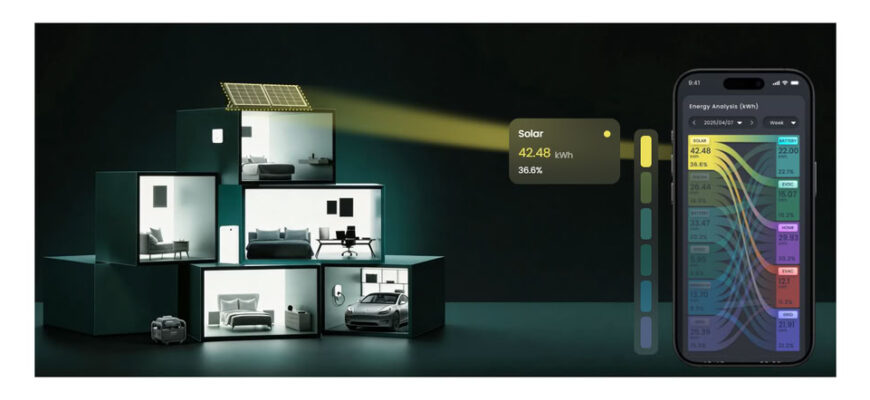
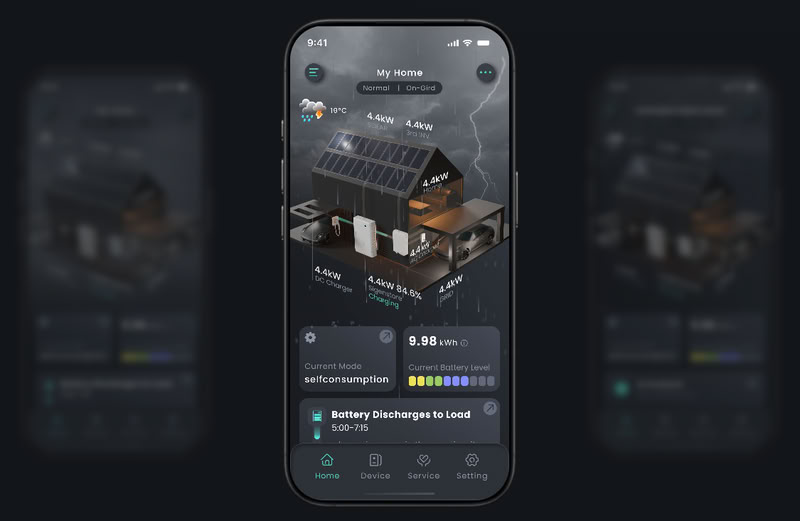
Plenty of energy apps show charts. Fewer help a household make better daily choices. A useful app should make energy flow visible, show whether the car is drawing from solar, battery, or grid, and let the owner set a charging window without treating the setup like a science project.
That is the role of the mySigen App for energy flow monitoring. Instead of separating solar, storage, and EV charging into different screens, the app is designed around control and visibility for the wider home energy system. For a driver trying to avoid high-cost hours, that context is more valuable than another generic charging timer.
A smarter routine is usually simple
Most households do not need a complicated charging strategy. They need a default rule that works most nights. Charge from solar surplus when the car is home. Avoid peak-price periods unless the driver overrides the schedule. Use cheaper overnight energy when the car still needs more range by morning. Keep enough backup reserve if a battery is part of the system.
The U.S. Department of Energy’s EV charging guidance treats Level 2 home charging as a common overnight solution, but overnight does not always mean cheapest. Local utilities may define low-cost hours differently, and some plans shift by season. The clock deserves as much attention as the plug.
For homes where the EV is becoming the largest flexible load, using a compatible smart charger is a practical way to turn rate plans and solar production into everyday savings instead of another spreadsheet.